 Written by: Krešimir Kožić, Vinski klub
Few wines provoke as much misunderstanding as the great red wine.
What actually are great red wines? The answer to that question differs dramatically depending on whether you ask a local wine lover or an experienced connoisseur in London. Locally, you will most often hear that it is a “masculine, powerful wine with plenty of alcohol, a big body, jammy aromas and lower overall acidity.” Such wines are given as gifts, opened on special occasions or tasted at local wine fairs. Ask for a concrete example and you will most often hear a traditional Dingač or Postup, and among foreign labels, Amarone.

In London, however, you would get a completely different answer: “Powerful yet elegant, with higher overall acidity, good tannic structure and completely dry.” Examples? First Growth Bordeaux, Grand Cru Pinot Noir from Burgundy, red Hermitage, or a Super Tuscan such as Sassicaia. In short — an entirely different style of wine.
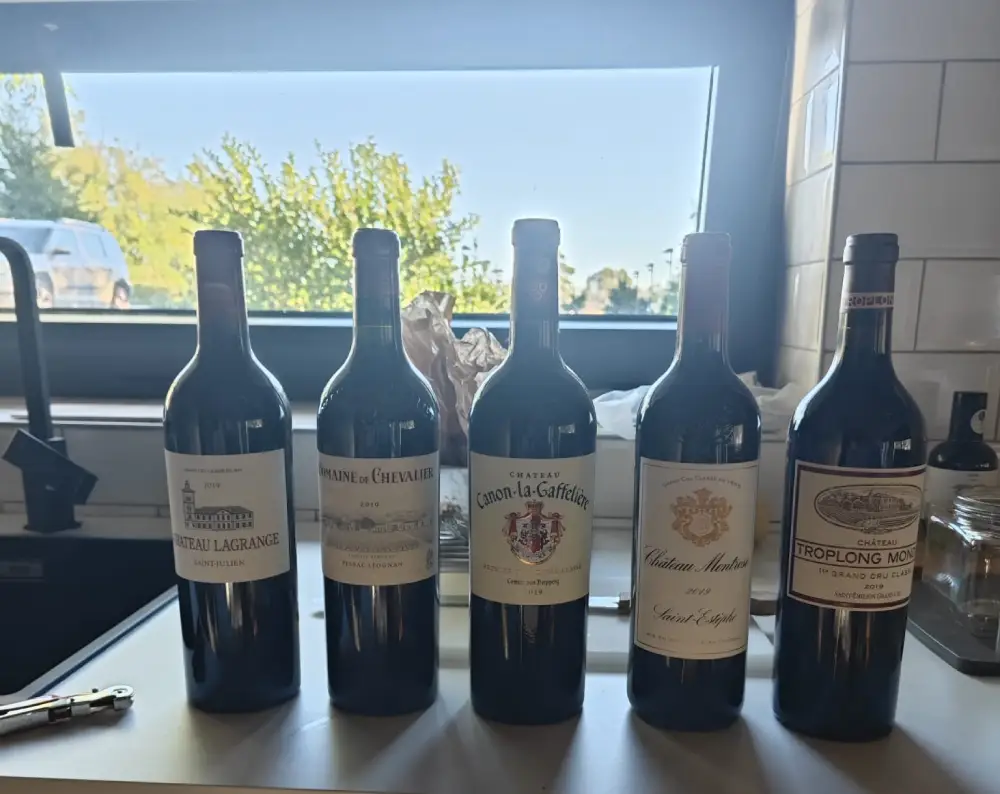
I have taken part in many debates on this subject, often heated and with complete divergence of opinion. The most recent such tasting involved five 2019 Bordeaux. The tasters split: some favoured the “fat one” from the right bank, stylistically closer to the local wines, while others valued the more elegant left-bank style that fully matches the criterion of classic red Bordeaux.
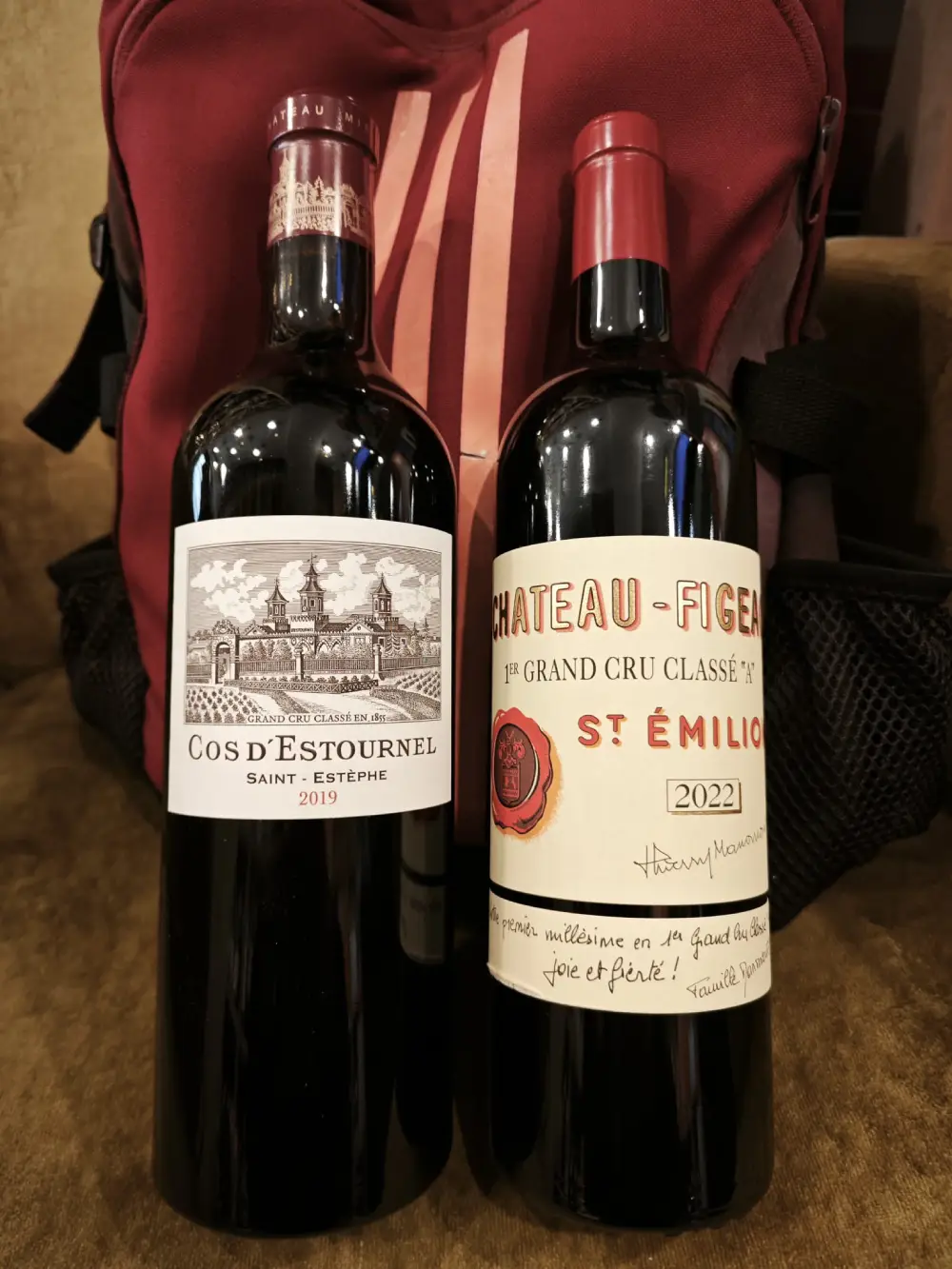
Can we then understand why there is such a large gap between the local and international conception of a great red wine? It is not a matter of semantics. The local definition did not arise within the professional wine scene, but among local winemakers and consumers seeking bigger, more alcoholic, jammier wines. The only wines they knew that fit those criteria were precisely Dingač/Postup or Amarone — and those wines shaped the perception.
Some local winemakers still faithfully follow that style, and their wines regularly score highest at local judgings. Thus the myth of the “great, untouchable trophy wine” is born.

The way we drink wine is always a reflection of the way we live.
In my judgement, the number of domestic wines that would satisfy the international criterion of a great red wine is very small. Some contemporary Dalmatian and Istrian wines now try to marry power and elegance, but only rarely do they reach the international standard of complexity and balance.

The international conception of such a wine is far more complex: it prizes terroir, varietal typicity, respect for appellation rules, elegance, drinkability and ageing potential. In an international context, a great red wine is one that combines the power of terroir, elegance of structure and the capacity for long ageing.
Even what we locally consider a “great red wine” must be at least somewhat elegant and drinkable — not a wine for a single gulp at a fair.
Many prestigious labels, such as Grand Cru Pinot Noir or certain top Bordeaux with less than 14% alcohol, would not, in the opinion of some local “experts”, qualify as great red wines at all.
So who is right? The international professional wine scene — the sommeliers and connoisseurs who follow world trends and respect wine principles that have existed for decades. Does that mean the local “experts” are wrong? Not necessarily — but a redefinition of the term “great red wine” is needed. The local definition holds only locally and applies mainly in Croatia and neighbouring countries to the east, where there is a marked fascination with everything “big and powerful”.
Another question: how much are local great reds actually drunk? Very little. They are mostly given as gifts. Once they were called “doctor’s” or “director’s” wines; today, “manager’s” wines.
And food? Meat, meat and more meat — red at that.
Although there is always someone who will pair a Quintarelli Amarone with ćevapi. I know people who see that as a perfectly acceptable match. Such wines serve both for gifting and for special occasions — both, unfortunately and fortunately.
Although I personally belong to those who value the international conception of a great red wine, and I understand that for some local “experts” that is simply not “it”, I can justify the local view too. The divide is essentially cultural and a matter of worldview.
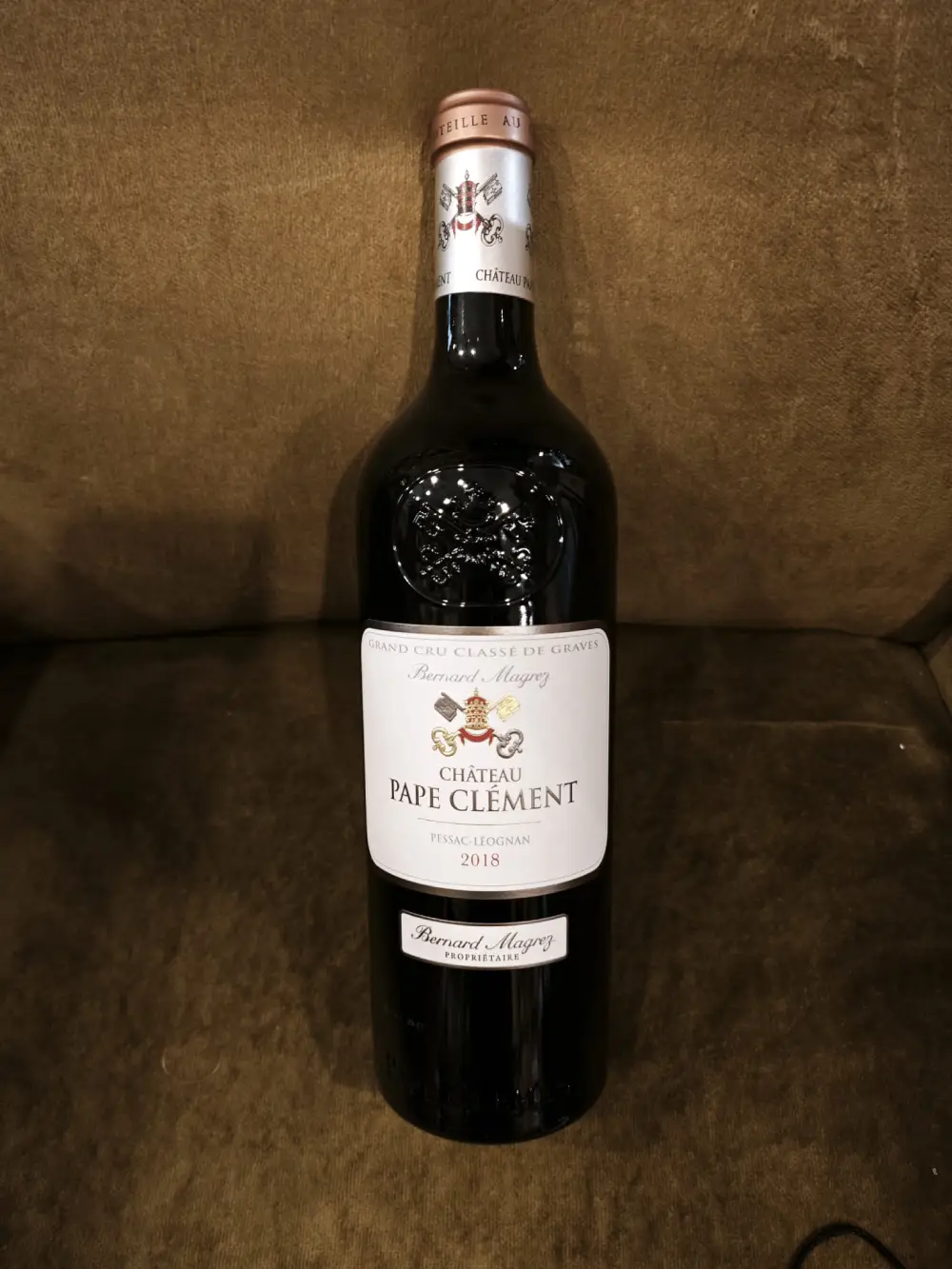
The conclusion? Perhaps it is all just a matter of semantics. Most likely we will have Big Red Wine and Great Red Wine. Do you see the difference?
A great wine is not a style but an experience, and experiences are always different. Perhaps it is best to accept the differences and enjoy both styles.